LinkedIn Feed Attention & Trust Study
A Two-Phase Mixed-Methods Study Using Mobile Eye-Tracking and Survey Segmentation
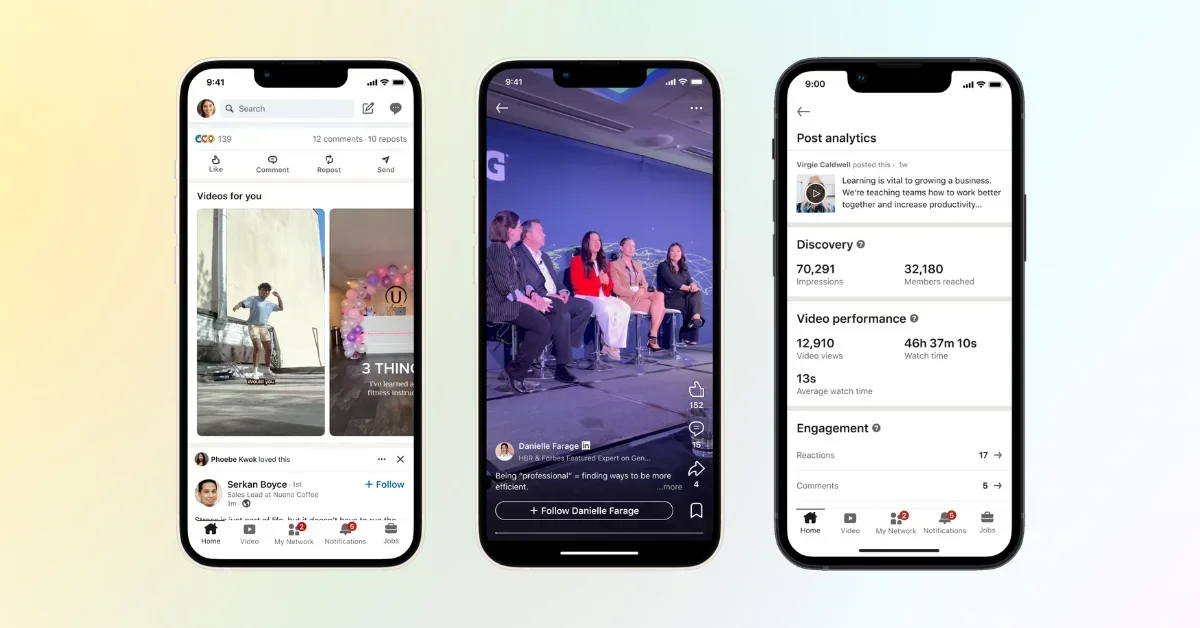
Ownership
Lead UX Researcher, end-to-end
Independently designed 0->1 research strategy
Owned the evidence & metrics plan
Ran all primary research & synthesis
Aligned cross-functional stakeholders
Research Design Overview
A two-phase mixed-method study:
Phase 1 (Lab): Mobile eye-tracking + interviews
-> Understand how users move through Feed and decide what’s valuable/trustworthy.
Phase 2 (Survey): Large-scale surveys on feed value, trust, and control needs
-> Understand which segments share those patterns, and which controls/features feel worth paying for.
Key Collaborators
PMs and designer focused on feed visual hierarchy
Data scientists
GTM
External mobile eye-tracking vendor (eye-tracking data collection, setup + calibration support)
Outcome
A structured attention & trust framework, plus segment-level guidance on where to invest in Feed and Premium value.
Established an AI-assisted data analysis and prompt bank

Client: LinkedIn
Year: 2025
Role: Lead UX Researcher
The LinkedIn Feed Attention & Trust Study was an initiative to understand how members actually read and evaluate their Feed across organic content, jobs, and ads. Through a two-phase research program (lab-based mobile eye-tracking plus interviews, followed by a scaled survey), I helped the team map real attention patterns, define value and trust signals, and connect those patterns to segment-level perceived value and interest in Premium features.
Problem
Members’ mobile LinkedIn feeds felt noisy and inconsistent in value, and the team lacked clarity on which signals actually drove attention, trust, and perceived value.
Impact
Focused the roadmap on high-intent segments where better feed controls and value messaging move both engagement and Premium.
TL;DR
Solution
- Centered the author + connection line as the main trust anchor, with value front-loaded in line one.
- Positioned ads and suggestions as clearly labeled, outcome-driven units scannable in 1-2 seconds.
Business Problem
The LinkedIn Feed team had strong topline metrics (CTR, dwell time, hides, skips, Premium conversions), but limited visibility into why members trusted or ignored content, and which parts of the Feed actually made LinkedIn feel “worth their time.”
We’d reached a point where the team could keep tweaking badges, labels, and modules based on CTR and dwell time, but we didn’t know which parts of the Feed actually increased perceived value and trust for different member types (job seekers vs. non-job seekers, high- vs. low-engagement users).
Without that clarity, the team risked investing in the wrong levers, which limited our ability to grow engagement and support premium conversion.
Objectives
Business Objective
To prioritize the right content signals, layouts, and member segments for engagement and Premium growth.
Research Objective
To understand how LinkedIn members actually read Feed, including the order in which they look at things and whether credibility is part of what makes content valuable